How to Choose an Outerwear Manufacturer for Your Brand
Learn how to evaluate an outerwear manufacturer, from product development and fabric selection to sampling, quality control and production planning.
1. Look for relevant outerwear experience
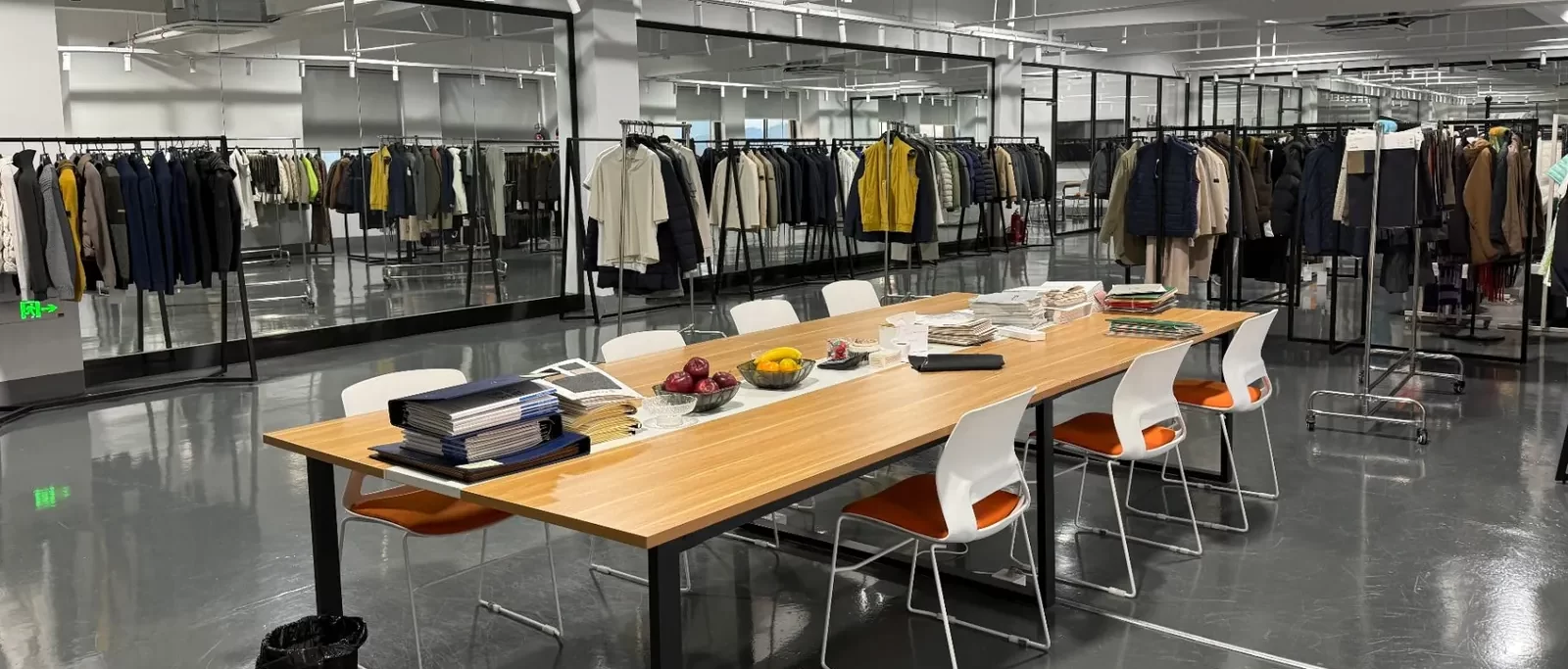
Start by checking whether the manufacturer works with the type of garment you plan to sell. A down jacket, a padded parka and a lightweight woven jacket have different construction and material requirements. Ask to see relevant samples and discuss the details that matter to your collection, including silhouette, intended use, fabric and finishing.
2. Discuss development and sampling
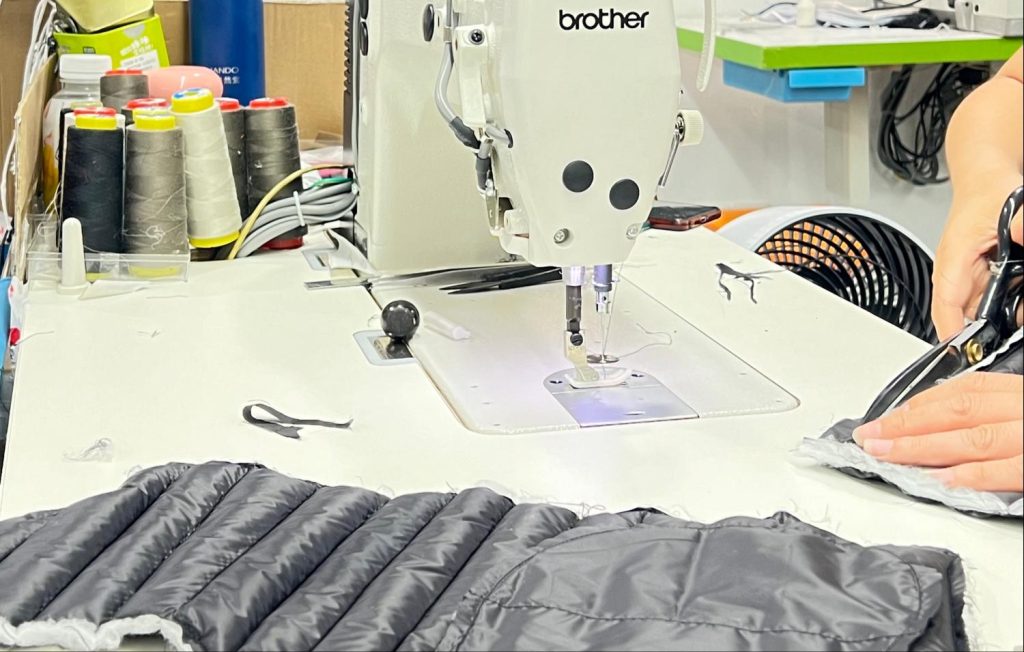
A clear development process helps both parties turn an idea into a production-ready garment. Share a technical pack if you have one, along with size specifications, reference images and any required construction details. Ask who handles pattern making, how sample feedback is recorded and how revisions will be approved. Review fit, measurements, stitching and trims before moving forward.
3. Review fabrics and trims
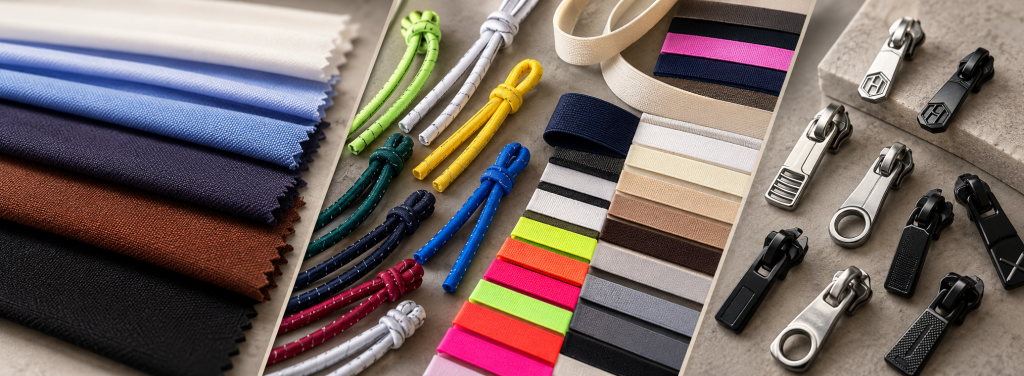
The outer fabric, lining, insulation, zippers and other components affect the look, performance and cost of a jacket. Provide your expectations for weight, hand feel and intended use, and request material samples. If your product requires particular testing or certifications, agree on the applicable requirements and supporting documents with the supplier before production.
4. Ask how quality is checked
Quality depends on clear specifications as well as inspection. Ask how measurements, stitching, trims and finishing are checked during production and before shipment. Agree on the reference sample, inspection criteria and how issues will be communicated and corrected. For insulated outerwear, discuss how the chosen filling and construction will be checked against your specifications.
5. Clarify order quantities and timelines
Minimum order quantities and lead times can vary by style, materials and production requirements. Share your expected quantities, size range, delivery destination and target date early. Ask for a quotation that explains the product specifications, sample charges, payment terms, delivery terms and assumptions. Confirm how changes to materials or quantities could affect the schedule.
6. Choose a partner you can communicate with
Good communication helps prevent misunderstandings across development and production. Agree on contact points, milestones and the format for sample comments. A practical first project can help both sides understand the workflow before planning a larger collection.
Working with MULTICOLOR
Based in Hangzhou, China, MULTICOLOR supports international brands and retailers with outerwear development and manufacturing. Its work includes down jackets, padded jackets, parkas and woven outerwear, with support spanning design, sampling, material sourcing, production and quality control. Learn more about MULTICOLOR’s garment development and production capabilities, or contact MULTICOLOR to discuss your project.